
Announcement
Admissions Open for Session 2026-27 (Nursery to Class 8)Special Coaching Batches for AMU, JMI, Sainik School, and Vidyagyan!Call Admissions Desk at +91 9412137554Submit Online Form to reserve your evaluation seatAdmissions Open for Session 2026-27 (Nursery to Class 8)Special Coaching Batches for AMU, JMI, Sainik School, and Vidyagyan!Call Admissions Desk at +91 9412137554Submit Online Form to reserve your evaluation seat
View Process →
Home /Blog /Weekly Current Affairs June 2026
?? High Priority Alert

Weekly Current Affairs (June 20-26, 2026): Essential AISSEE GK Guide

?? Date: July 4, 2026?? Author: Ravi Prakash?? Read time: 6 mins
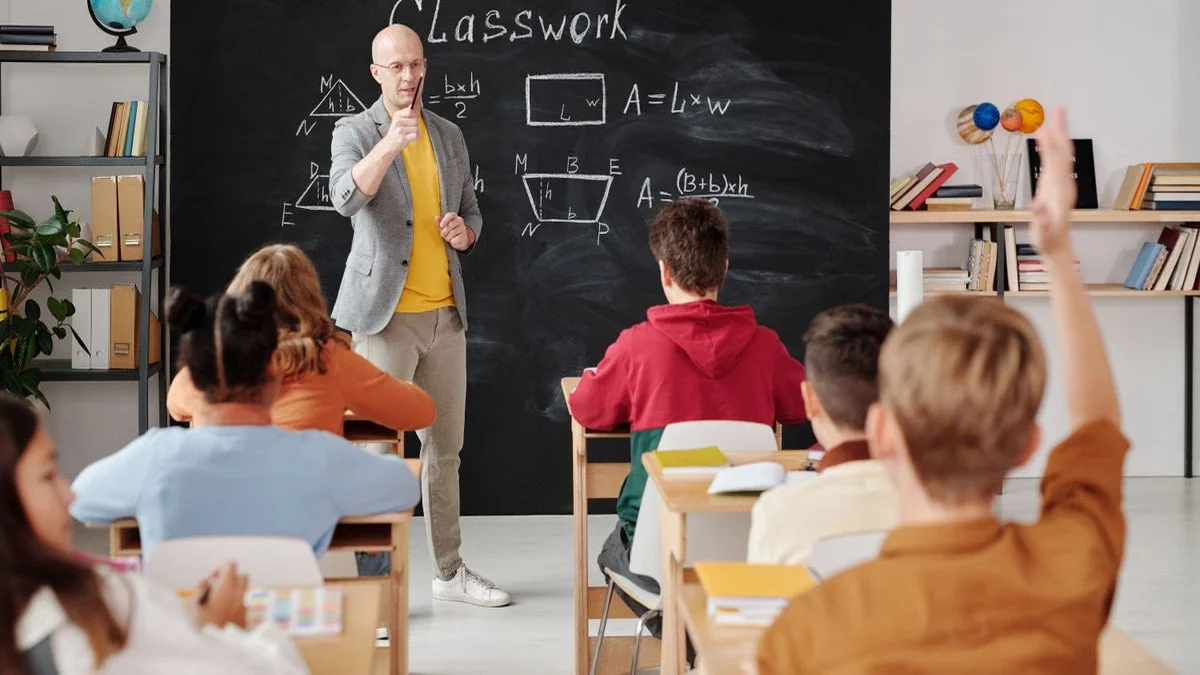
Indian students studying intently in a modern classroom

Your child scored 90% in their last GK mock test. But ask them about a big news event from last week, and they stare blankly. This is a common problem. Many students memorize old facts but miss current events that exams love to ask.

The AISSEE and JNVST exams now test current affairs heavily. Here are the most important news events from June 20 to 26, 2026. Your child must know these for the exam.

What Are the Top Events Your Child Must Know?

Every week, big things happen in India and around the world. Exams ask about these events to check if students read the news. Here are the top events from the last week of June 2026.

These events cover education, science, and national news. They are exactly the kind of questions that appear in Sainik School and JNVST exams.

CategoryEvent (June 20-26, 2026)Possible Exam Question
EducationManipal University ranked World No. 1 for SDG 5 (Gender Equality)"Which Indian university topped the global SDG 5 ranking?"
National NewsNEET UG Re-exam held on June 21 under high security"On what date was the NEET UG 2026 re-exam conducted?"
TechnologyGoogle launched Gemini AI Student Notebooks at ISTE 2026"Name the EdTech conference where Google launched new AI tools."
State AffairsUttar Pradesh schools reopened on June 25 after heatwave"When did UP schools reopen after the summer break?"

Who Should Study These Events?

These current affairs are important for every student preparing for competitive exams. Here is who must study them:

  • Students preparing for Sainik School (AISSEE) entrance exams
  • Children getting ready for JNVST (Jawahar Navodaya Vidyalaya)
  • Any student in Class 5 to Class 9 taking a GK-based exam

The AISSEE exam tests awareness of recent events. Your child should study at least 6 months of current affairs before the exam.

What Are the Key Takeaways for Students?

Here is what your child should remember from this week:

Manipal University topped the world for gender equality. This is a proud moment for India. Examiners love asking about Indian institutions that gain global recognition.

The NEET UG re-exam happened on June 21. This was a big national event. Your child should know the date and why it happened.

Google launched AI-powered student notebooks at ISTE 2026. ISTE stands for the International Society for Technology in Education. This acronym may appear in exams.

UP schools reopened on June 25 after a long heatwave. This is an example of how government handles climate-related emergencies.

How to Study Current Affairs — Step by Step?

  1. Read one news story daily: Spend 10 minutes every morning reading about one big event. Focus on who, what, and when.
  2. Write a weekly summary: Every Sunday, write down 5 important events from the week. This builds memory.
  3. Make flashcards: Write the event name on one side and key facts on the other. Review them before sleep.
  4. Test yourself: Ask your child to write events from memory. If they forget, they know what to study again.
  5. Connect to exams: Ask your child "How could this appear in an AISSEE question?" This builds exam thinking.

What Are the 5 Mistakes your child must Avoid?

  1. Only studying static GK: Knowing ancient history is good, but current affairs are equally important for modern exams.
  2. Reading too many sources: Stick to one or two reliable news sources. Too much information creates confusion.
  3. Not writing things down: Reading is not enough. Writing events by hand helps the brain remember them better.
  4. Skip weekly revision: If you do not revise, you will forget. Review your notes every Sunday without fail.
  5. Mindless screen time: Watching random news videos is not the same as focused study. Read articles instead for better retention.

People Also Ask

Q: How many months of current affairs should I study for AISSEE?

Study the last 6 to 8 months before the exam. Focus on major national and international events that made big headlines.

Q: What were the biggest educational events in June 2026?

Manipal University ranked No. 1 globally for SDG 5. The NEET UG re-exam was also conducted on June 21.

Q: Can I rely only on monthly magazines?

Monthly magazines are good for revision, but making your own weekly notes helps you remember better and avoid last-minute panic.

Q: How deep should I study each news event?

For Class 6 and 9 exams, knowing who, what, and when is enough. You do not need deep political analysis.

Q: Do current affairs appear in Sainik School exams?

Yes. The GK section of AISSEE regularly includes questions about recent national and international events.

Important Links


Current affairs are not just boring news. They are easy marks in exams if your child studies them right. Start a weekly routine today and watch your child's GK scores improve fast.

At Jai Govind Public School (JGPS), we help students stay updated with weekly current affairs sessions. If you want your child to stay ahead, call us at +91 9997161490. Let us build a strong GK foundation together.

Ravi Prakash

Ravi Prakash

Current Affairs & GK Faculty, JGPS

Ravi Prakash is a dynamic educator who specializes in breaking down complex national and global news into easily digestible bites for school students. His goal is to build strong foundational awareness for future leaders.

View Full Profile